

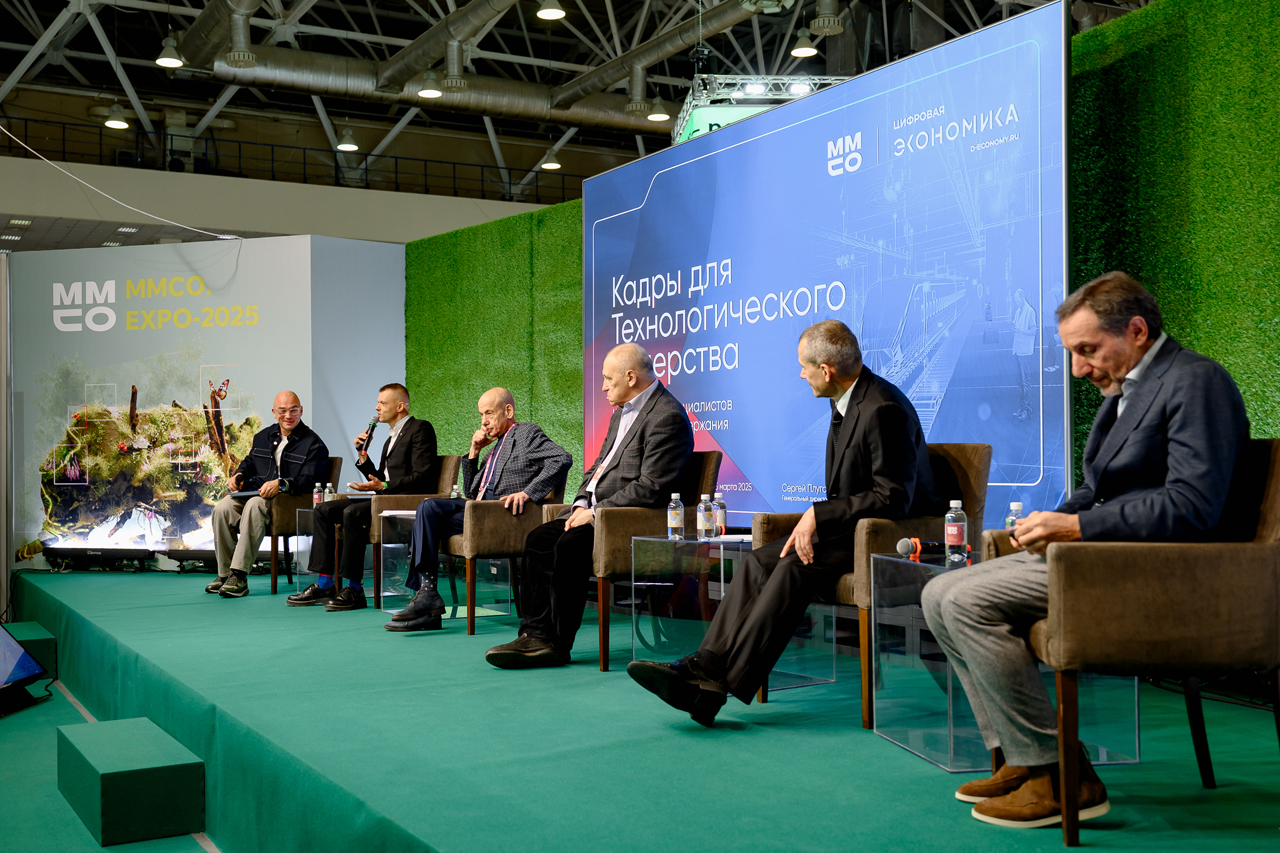
The panelists discussed how a human-centric approach and an emphasis on personal development can become the basis for a country's technological breakthrough. The session brought together leading experts in education, technology and psychology, who shared their views on the future of technology and the role of humans in this process.
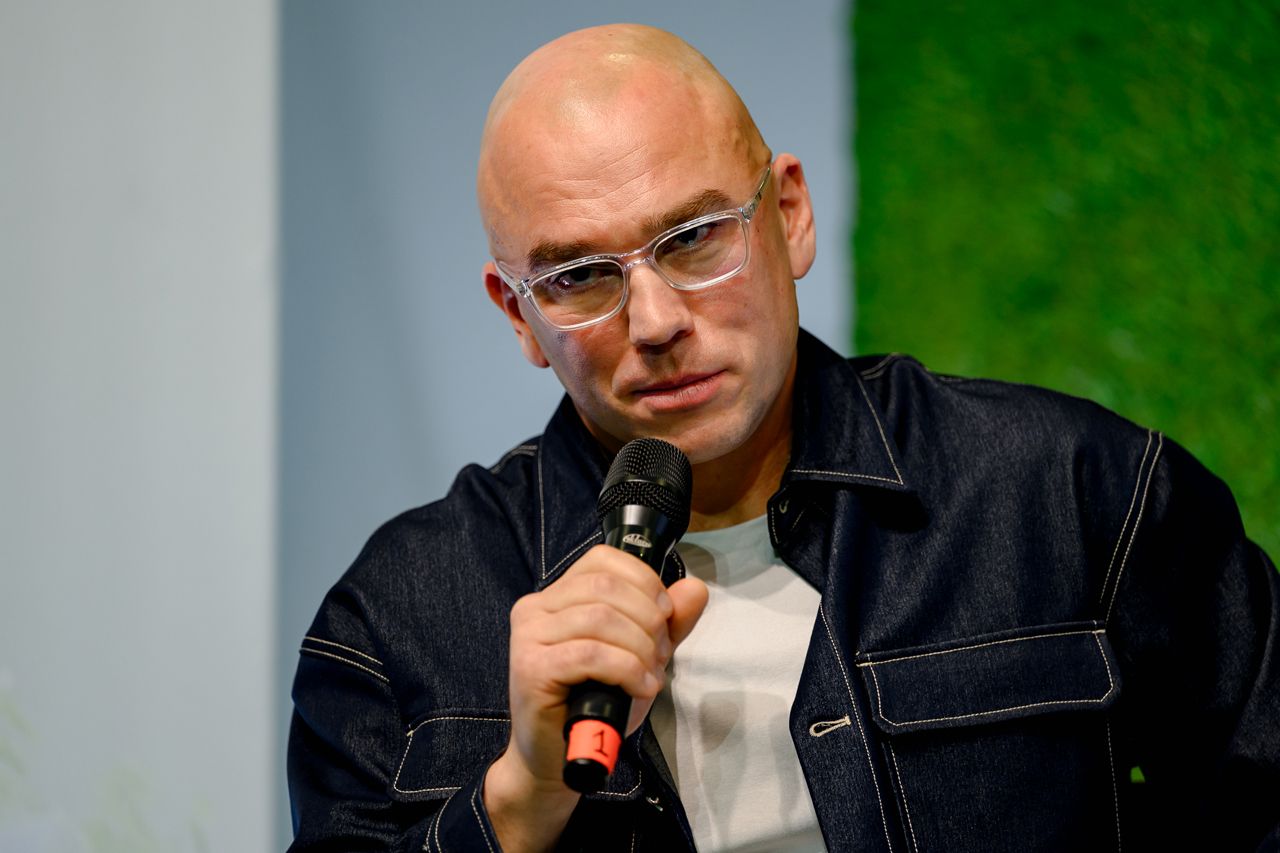
The tone of the discussion was set by the Director of MIEF, founder of the MIEF.Connect platform Maxim Kazarnovsky, who proposed considering technological leadership as a strategically important goal for Russia. He emphasized that in order to achieve this goal, it is necessary to develop our own concept of the technological future, which will meet the interests of the country, business and society. M. Kazarnovsky noted that the key role in this process belongs to people, especially young people and IT specialists. However, he also pointed out the challenges that Russia faces: the outflow of personnel and dependence on foreign technological models. As a solution, he proposed focusing on the development of domestic technologies, strengthening national security and improving the quality of life.
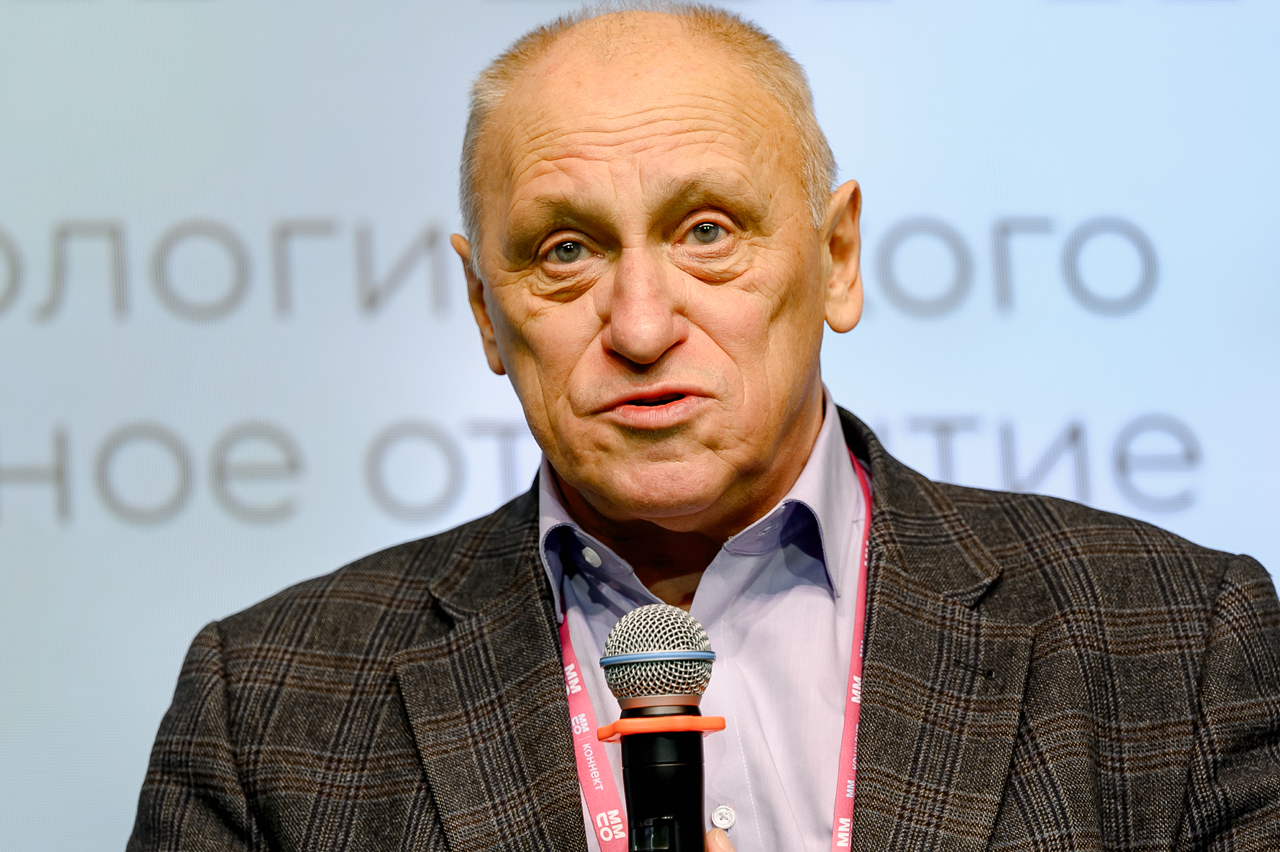
Alexander Auzan, Dean of the Faculty of Economics at Lomonosov Moscow State University, drew attention to the importance of forming a worldview in the process of technological education. He noted that technologies penetrate our lives not only through technical skills, but also through a change in thinking. A. Auzan gave an example of a study of graduates of technical universities who, despite high achievements in the exact sciences, demonstrated low results in the humanities. In his opinion, this indicates a lack of communication, leadership and empathy skills among technical specialists.
A. Auzan also emphasized that today many universities are beginning to implement interdisciplinary programs that combine technical knowledge with humanities. This allows us to train specialists who not only develop innovative solutions, but are also able to inspire and lead teams. "Such graduates become real leaders who are able to change the world," he concluded.
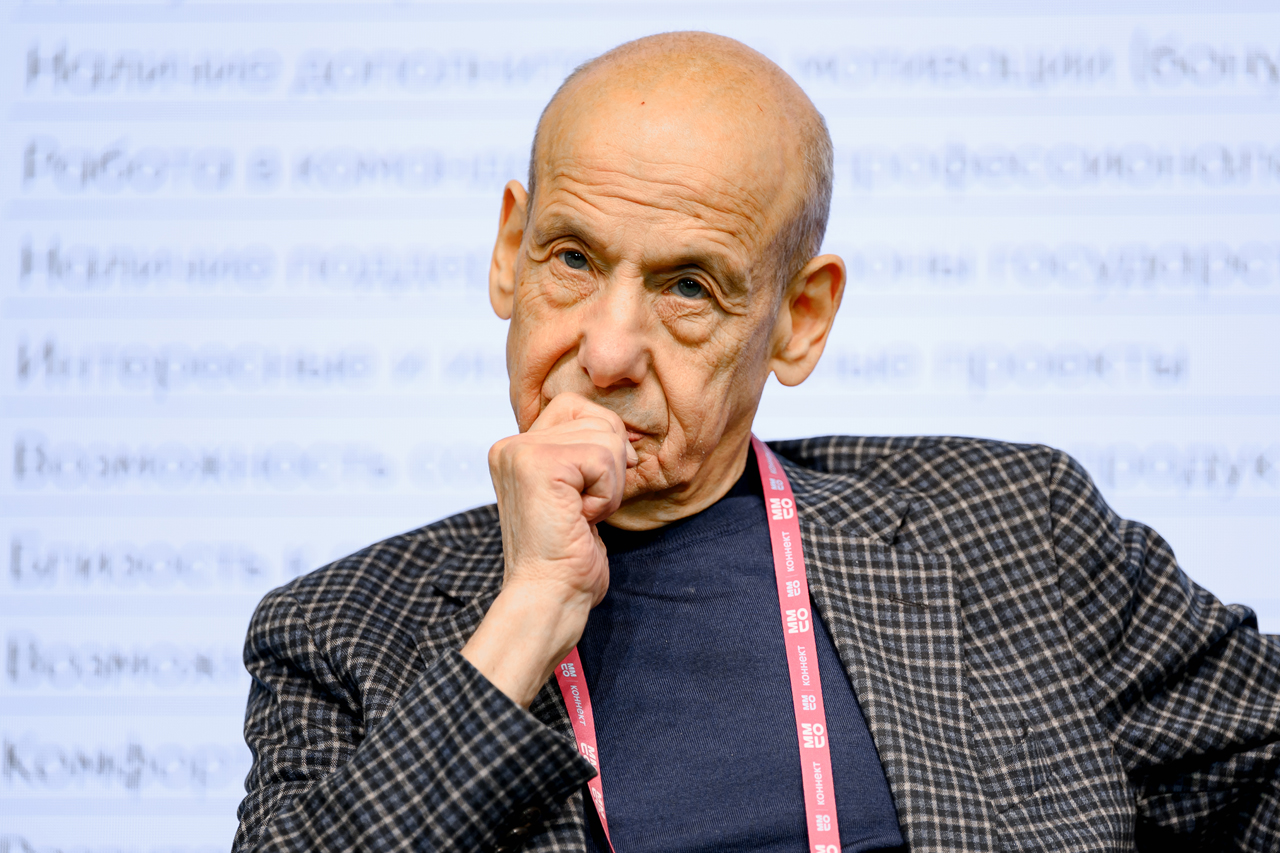
Alexander Asmolov, head of the Department of Personality Psychology at Lomonosov Moscow State University, academician of the Russian Academy of Education, raised the question of the role of man in the era of rapid development of Artificial Intelligence. He asked himself: will man simply become a service element of the system or will he find his place as an equal partner of technology? A. Asmolov identified three key qualities that distinguish man fr om machines: empathy, imagination and the ability to socially interact. In his opinion, these are the qualities that should be developed in the context of the technological revolution.
The speaker also drew attention to the fact that technologies should serve people, and not vice versa. He cited the example of Chinese investments, which became the engine of innovation. "Technology without imagination is a waste of resources," he noted. A. Asmolov called for the creation of a model in which people and technologies will not be rivals, but partners.
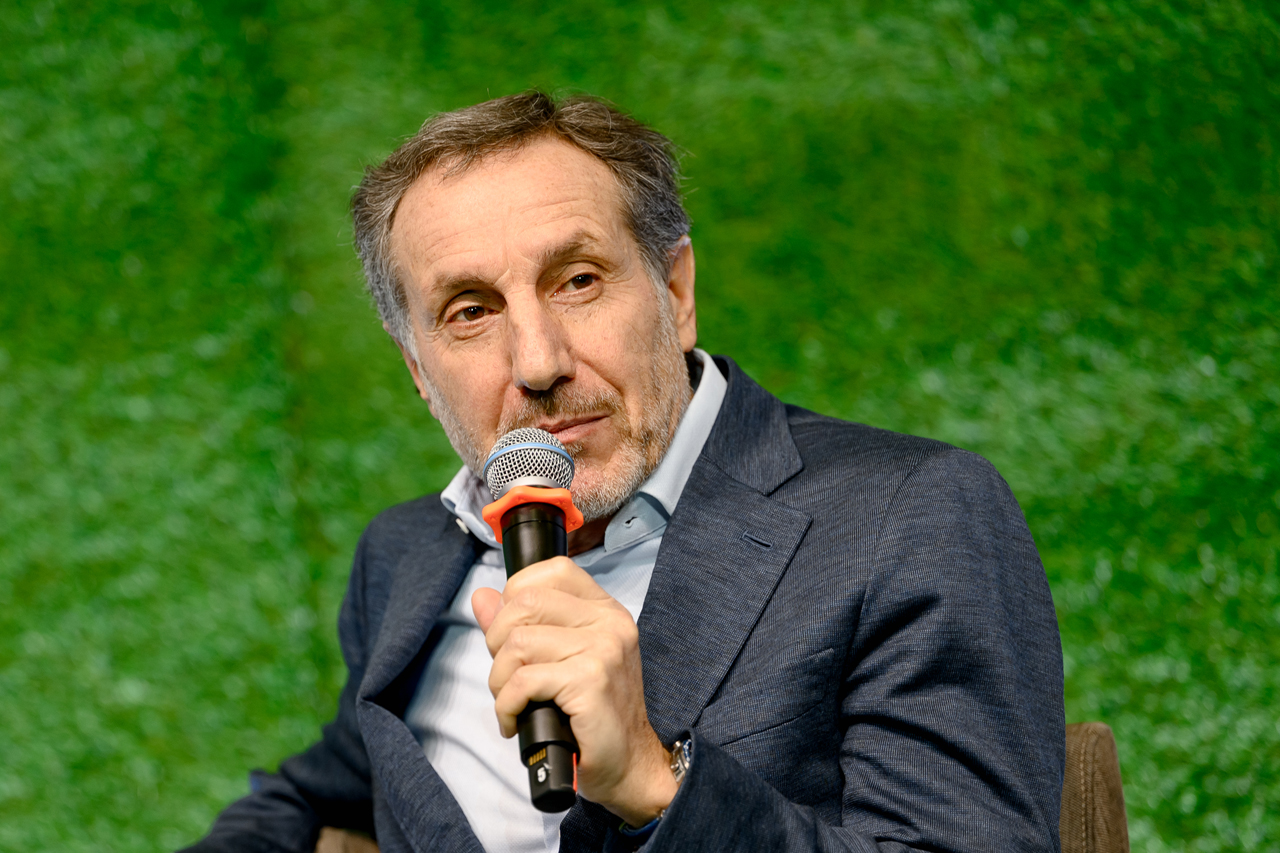
Artem Soloveichik, director of the Sberbank Education Industry Center, shared his vision of the role of freedom in education. He noted that schools today are afraid of freedom — both their own and the freedom of children. "We are so afraid of free children that the first time they became free from us, we immediately banned it," he said, referring to the ban on the use of cell phones in schools.
A. Soloveychik emphasized that in order to achieve a technological breakthrough, it is necessary to stop imposing ready-made images of the future and allow each person to develop freely. "School should be centered on a person, not on templates," he said. He also gave an example of an experiment with artificial intelligence at Tyumen State University, wh ere students, asking smart questions, revealed the potential of AI. "Artificial intelligence, like a person, reflects what we put into it," the speaker concluded.
Discussion results: Human at the center of technological progress
The participants of the discussion agreed that technological leadership is impossible without a human-centric approach. Technologies should serve people, not replace them. The key elements for achieving a breakthrough are freedom, responsibility and the development of human qualities that are not yet available to artificial intelligence.
Alexander Asmolov concluded the discussion with the words: "Artificial intelligence is not an alien mind, but a man-made tool that should serve us. If we learn to use it wisely, we will be able not only to preserve our humanity, but also to increase it."
The session left participants and viewers with many questions to ponder, but also hope that a human-centric approach will become the basis for Russia’s technological leadership.
Photo: MIEF/expo-2025